
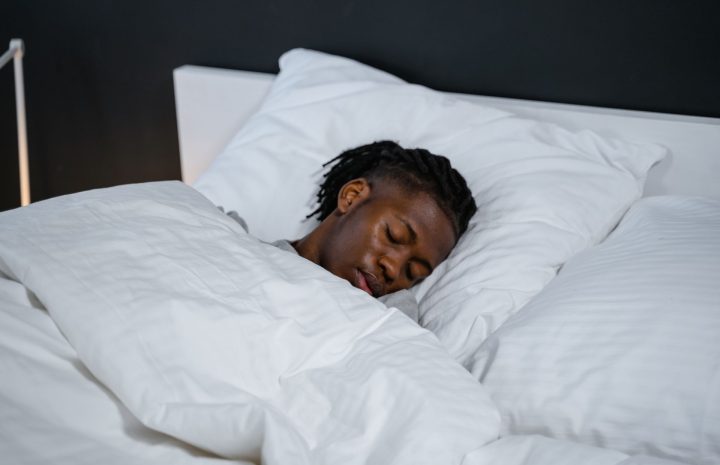
When the season ends and the bats get packed away, a lot of players assume recovery takes a back seat too. But winter is actually when the body does its quiet rebuilding work, and sleep is the engine behind it. Cold air, shorter days and dry indoor heat all mess with the signals your body relies on to fall asleep and stay asleep, which matters a great deal if you’re trying to maintain strength and reaction time heading into spring training.
Setting Up a Bedroom That Works With Winter, Not Against It
Most people crank the heat the moment temperatures drop, but a room that’s too warm actually fights against your natural sleep cycle. Your core temperature needs to dip slightly to trigger deep sleep, so a cooler bedroom paired with warmer bedding usually works better than blasting the thermostat all night. There’s a helpful set of consejos para dormir en invierno that walks through practical adjustments like layering blankets instead of overheating a room, using a humidifier to counter dry heated air, and choosing bedding materials that trap warmth without making you sweat through the night. Athletes especially benefit from this kind of setup because overheating during sleep can disrupt the deeper stages where muscle repair actually happens.

Dry Air and Its Effect on Recovery
Indoor heating systems strip moisture from the air, and that dryness can irritate your throat, nasal passages and even your skin overnight. For someone recovering from a long season of throwing, running or sliding into bases, waking up congested or dehydrated isn’t just annoying, it slows down the healing process. A simple humidifier in the bedroom can make a noticeable difference, and keeping a glass of water nearby helps offset the moisture loss that happens while you breathe through dry winter air for eight hours straight.
Shorter Days, Melatonin, and Training Schedules
Reduced daylight in winter throws off melatonin production, which is the hormone responsible for telling your brain it’s time to wind down. Athletes who train early in the morning or late in the evening during the off-season often notice their sleep schedule drifting without even realizing why. Getting natural light exposure soon after waking, even on overcast days, helps reset that internal clock. Avoiding bright screens for the last hour before bed matters even more in winter, since your body is already working harder to produce melatonin on schedule.
Building a Routine That Protects Recovery
Consistency matters more than people think, especially during an off-season when there’s no game schedule forcing structure onto your day. A few habits worth building:
- Keep a consistent wake time, even on weekends, to anchor your internal clock
- Limit caffeine after early afternoon since cold weather often means more coffee or tea
- Stretch or do light mobility work before bed to signal the body it’s time to slow down
- Keep the bedroom cool, dark and slightly humidified for deeper, uninterrupted sleep
None of these changes require special equipment or a big time investment. They just require paying attention to how winter conditions are quietly working against your rest.
Treat your bedroom setup this winter the same way you’d treat a training plan: small, deliberate adjustments that add up. Better sleep now means a stronger, more recovered body when the season starts calling again.…